Mini-Split or Package Unit? Find the Right Fit for Your Home
Learn how ductless mini-splits and package units differ so you can choose the HVAC system that best fits your home, lifestyle, and budget.
If you are planning a new installation or replacing a system that has seen too many Arizona summers, you have probably run into two terms again and again: ductless mini-split systems and package units. Both can heat and cool a home effectively, and both are popular across the Phoenix area. The right choice depends on how your home is built and how you live in it. As a heating and cooling company serving Valley homeowners for two decades, Around the Sun Heating & Cooling, Inc. is here to break down how each system works so you can have a more informed conversation about your options.
What Is a Package Unit?
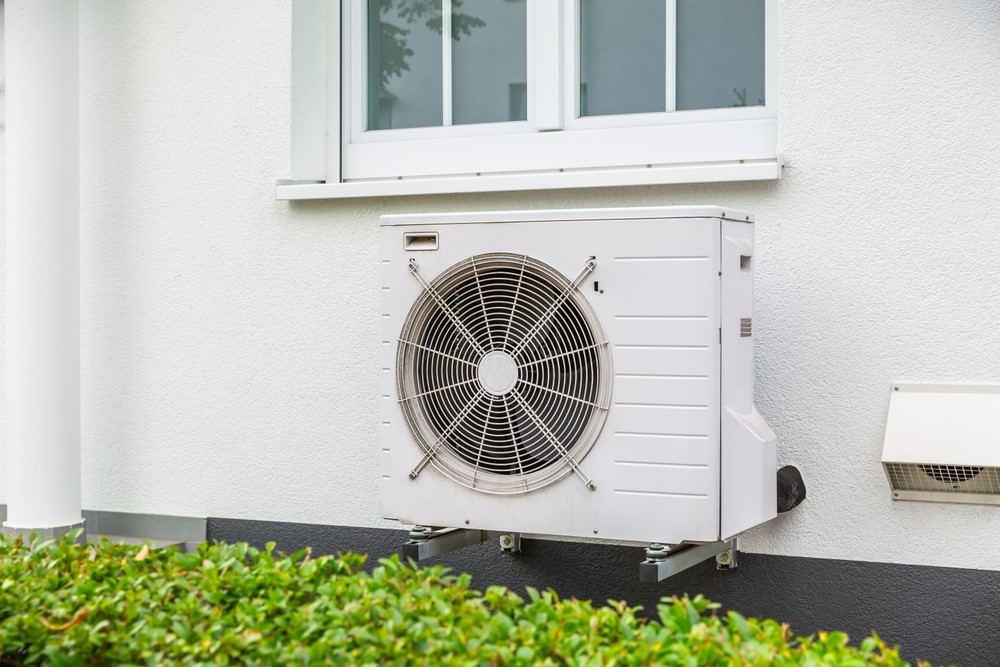
A package unit places every major heating and cooling component inside a single outdoor cabinet. The compressor, condenser coil, evaporator coil, and blower all live together, and many models also include a gas heating section or heat pump for winter comfort. The unit usually sits on the roof or on a ground-level pad next to the house, and it delivers conditioned air through a network of ducts that connect to supply vents and return grilles throughout your home.
Package units are a familiar sight on Arizona homes, particularly houses with flat or low-slope roofs and limited attic or closet space for indoor equipment. Because everything is housed outdoors, a package unit frees up interior square footage and keeps service work outside your living space.
What Is a Ductless Mini-Split System?
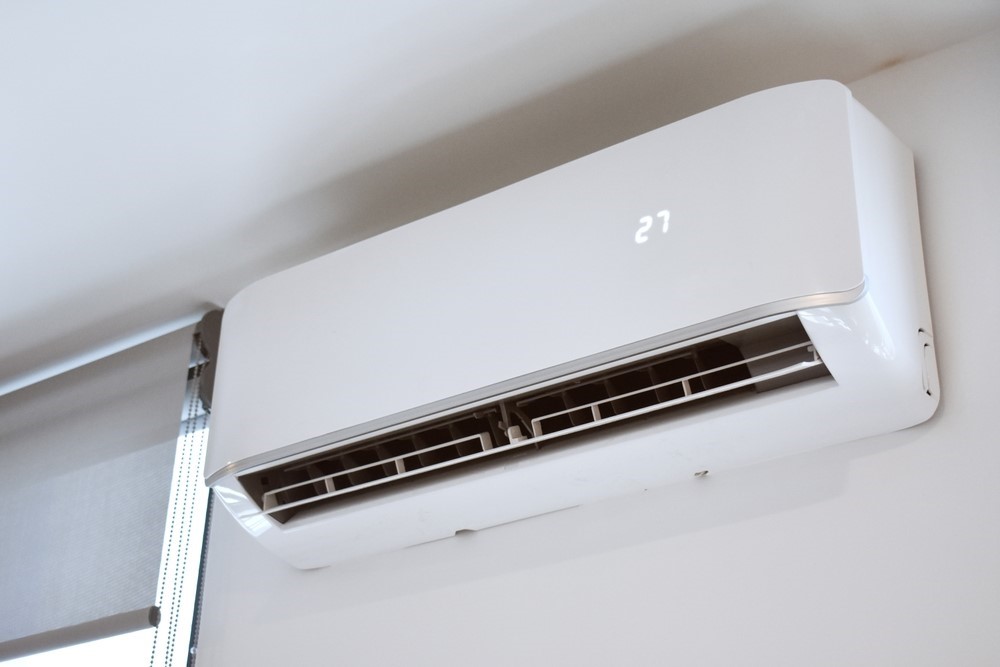
A ductless mini-split system splits the equipment into two parts. An outdoor condenser connects to one or more indoor air handlers, which are typically mounted high on a wall or recessed into the ceiling. A slim refrigerant line runs through a small opening in the exterior wall to link the two, so no ductwork is needed.
Each indoor unit serves its own zone and has its own temperature controls. A single-zone setup might condition one room, such as a garage workshop or sunroom, while a multi-zone system can connect several indoor heads to one outdoor unit. Most modern mini-split systems use heat pump technology, allowing them to provide both cooling and heating from the same equipment.
The Key Differences Between Mini-Splits and Package Units
Neither system is universally better. Each one simply handles comfort in a different way. Here is how they compare in the areas homeowners ask about most:
- Ductwork: Package units rely on ducts to move air through the house, while mini-splits deliver air directly into each zone without any ducts at all.
- Temperature control: A package unit typically runs off one thermostat for the whole home or a large section of it. Mini-splits allow different temperatures in different rooms, so you can condition only the spaces you are using.
- Installation: Package units are well suited to homes that already have ductwork in good condition. Mini-splits are often the simpler route for additions, older homes without ducts, or rooms where extending ductwork would be difficult or costly.
- Appearance: With a package unit, you see only vents and grilles indoors. Mini-splits place visible air handlers in each zone, though ceiling cassette and ducted mini-split options can offer a lower profile.
- Maintenance: A package unit usually has one central filter to replace. Mini-splits have a washable filter in each indoor head, and every head benefits from periodic professional cleaning.
- Efficiency: Mini-splits avoid the energy lost through leaky or poorly insulated ducts and let you skip conditioning empty rooms. High-efficiency package units paired with sealed, well-designed ductwork can also deliver excellent performance for whole-home comfort.
Questions to Consider When Choosing a System
The best HVAC system for your home is the one that fits your space, your habits, and your budget. Before you decide, think through a few practical questions:
- Does your home already have ductwork, and is it in good shape?
- Are you conditioning the entire house or targeting specific rooms, an addition, or a detached casita?
- Do some rooms stay noticeably hotter or colder than others no matter where the thermostat is set?
- Would you like different family members to control the temperature in their own spaces?
- How do you feel about visible indoor units compared to traditional vents?
- Where would outdoor equipment sit, and is there adequate roof or ground space?
Your answers help narrow the field, but a professional evaluation fills in the details. Load calculations, insulation levels, window placement, and the condition of existing ducts all play a role in which system will perform best over the long run.
Can You Use Both?
Many Arizona homeowners discover that the answer is not either-or. A package unit can handle the main living areas through existing ductwork, while a mini-split takes care of a room addition, guest house, garage, or bonus room that the central system struggles to reach. This hybrid approach lets each system do what it does best and can be an efficient way to solve comfort gaps without replacing everything at once. Whether you are weighing a new AC installation, adding a zone, or updating your heating system, combining equipment types is always worth discussing.
Schedule a Free In-Home Consultation with Around the Sun
Choosing between a mini-split system and a package unit is easier when you have an expert who can see your home firsthand. Our certified technicians will walk through your property, listen to your comfort concerns, and explain which options make the most sense for your layout and budget. There is no pressure and no cost for the visit, just honest guidance from a local, family-owned team that has kept Valley homeowners comfortable since 2006. For a quick starting point, try our HVAC cost calculator, then contact Around the Sun Heating & Cooling today to request your free estimate and in-home consultation.
Subscribe to Around the Sun Heating & Cooling's Blog








Comments