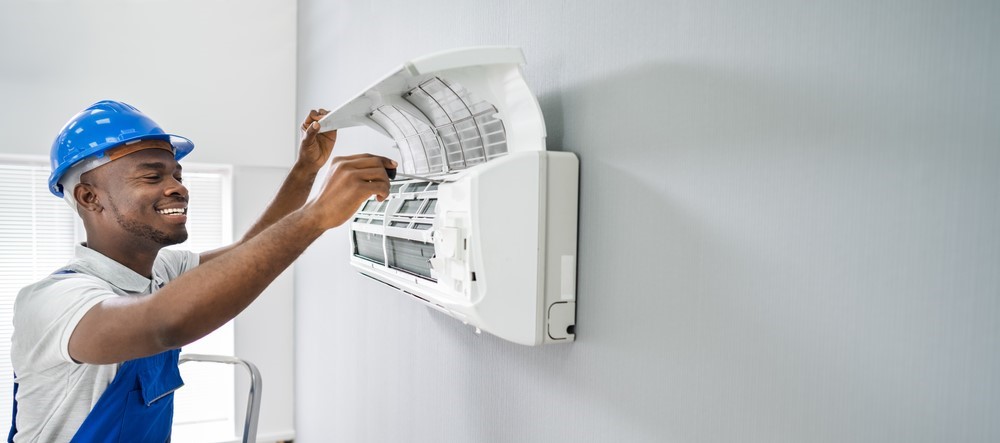
Yes. In a climate where air conditioners run for most of the year and heating systems sit idle until the first cold snap, seasonal tune-ups are one of the most effective ways to keep your HVAC system efficient, reliable, and safe. A professional visit in the spring and another in the fall gives a technician the chance to clean, test, and adjust your equipment before it faces its toughest workload. Here's what a seasonal tune-up involves, why it matters so much in Arizona, and how Around the Sun Heating & Cooling makes routine maintenance easy and affordable.
What Is a Seasonal HVAC Tune-Up?
A seasonal tune-up is a scheduled inspection and cleaning of your heating and cooling equipment, timed to happen just before the system's busiest season. Think of it the way you'd think about routine service on your car. You don't wait for the engine to fail before changing the oil; you take care of it on a schedule so small problems never become big ones.
During a tune-up, a trained technician checks the components that affect performance and reliability, cleans away the dust and debris that build up over months of operation, and measures how the system is actually running. The goal isn't to sell you anything. It's to confirm your equipment is ready for the season ahead and to flag anything that may need attention down the road.
Why Do Arizona HVAC Systems Need Tune-Ups More Than Most?
HVAC equipment in the Phoenix area works harder than equipment in most other parts of the country. Cooling systems may run nearly nonstop from late spring into the fall, often for many hours a day during triple-digit stretches. That kind of workload puts constant wear on motors, capacitors, contactors, and compressors.
Desert conditions add to the strain. Fine dust settles on outdoor condenser coils and reduces their ability to release heat. Monsoon storms bring wind-blown debris, power surges, and short bursts of humidity. Indoor air filters load up faster than many homeowners expect. Over time, all of these factors force your system to work harder for the same result, raising energy bills and shortening equipment life.
Heating systems face a different challenge. Because Arizona winters are mild, furnaces and heat pumps may sit unused for months. Dust collects on burners and sensors, and worn parts often go unnoticed until the first chilly night. A fall tune-up catches those issues while the weather is still comfortable.
What Happens During an AC Tune-Up?
A spring AC tune-up prepares your cooling system for the long summer ahead. While every system is a little different, a thorough cooling inspection typically includes:
- Cleaning the outdoor condenser coil and clearing debris from around the unit
- Checking refrigerant pressures and looking for signs of leaks
- Testing capacitors, contactors, and other electrical components
- Tightening electrical connections that loosen with heat and vibration
- Inspecting the indoor evaporator coil and blower assembly
- Flushing the condensate drain line to prevent clogs and water damage
- Lubricating moving parts where the manufacturer calls for it
- Measuring temperature split and airflow to confirm proper cooling performance
- Checking thermostat operation and calibration
Each of these steps addresses a common cause of summer breakdowns. A weak capacitor, for example, is an inexpensive part to replace during a scheduled visit, but it can leave your home without cooling on the hottest afternoon of the year if it fails unexpectedly.
What Happens During a Heating Tune-Up?
A fall heating tune-up focuses on safety and dependable warmth. Depending on whether your home uses a furnace, heat pump, or boiler, your technician may:
- Inspect and clean burners, igniters, and flame sensors
- Test safety controls and limit switches
- Check the heat exchanger for cracks or signs of wear
- Verify gas pressure and proper venting on gas equipment
- Test the reversing valve and defrost controls on heat pumps
- Inspect the blower motor and belt, if equipped
- Check electrical connections and system amperage
- Confirm the thermostat switches cleanly between heating and cooling
For gas-fired equipment, these checks are about more than comfort. Safety controls and proper venting help protect your household, which is why an annual heating inspection is a smart habit even in a mild-winter climate.
Do All Types of HVAC Systems Benefit From Seasonal Maintenance?
Every type of heating and cooling equipment benefits from regular professional care. Central air conditioners, gas furnaces, heat pumps, package units, boilers, and ductless mini split systems all have coils that collect dust, electrical parts that wear, and drains that can clog. The specific checklist varies from one system to the next, but the principle is the same: clean, inspect, test, and adjust before the system is under heavy demand.
Equipment that handles both heating and cooling, such as a heat pump or a ductless mini split, runs through more of the year than a system that only cools or only heats. That extra run time is a good reason to keep both the spring and fall visits on the calendar. Ductless systems also have indoor units with their own filters and coils, and those components benefit from professional cleaning in addition to the routine filter care homeowners can handle themselves.
How Often Should You Schedule HVAC Maintenance?
For most Arizona homes, twice a year is the right rhythm. Schedule a cooling tune-up in early spring, before temperatures climb and HVAC companies get busy, and a heating tune-up in the fall, before the first cool evenings arrive. Booking ahead of each season makes it easier to get a convenient appointment and gives you time to address any needed repairs before you depend on the system.
If your system is older, has had repeated repairs, or serves a larger home with heavy usage, your technician may recommend keeping a closer eye on certain components between visits. Following a consistent schedule also creates a service history, which can be helpful when it comes time to make decisions about repair or replacement.
Can Skipping Tune-Ups Affect Your Equipment Warranty?
It can. Many manufacturers expect equipment to be professionally maintained, and some warranty terms specifically mention routine service. If a major component fails and there's no record of maintenance, a warranty claim may be more complicated. Because coverage terms vary by brand and model, it's worth reviewing your warranty paperwork or asking our team what your manufacturer requires. Keeping receipts from each seasonal visit is an easy way to protect your coverage.
What Are the Biggest Benefits of Regular HVAC Tune-Ups?
Seasonal maintenance pays off in several ways that add up over the life of your system:
- Fewer surprise breakdowns: Aging components can be replaced on your schedule instead of during a heat wave.
- Better efficiency: Clean coils and proper airflow help the system cool or heat your home with less energy.
- Longer equipment life: Reducing strain on motors and compressors helps your investment last.
- More consistent comfort: Properly tuned systems deliver steadier temperatures throughout the home.
- Improved indoor air: Cleaner components and fresh filters help reduce the dust circulating in your home.
- Peace of mind: You'll know your system is ready before the season starts instead of hoping it holds up.
What Can Homeowners Do Between Professional Tune-Ups?
Professional maintenance is essential, but a few simple habits help your system perform at its best between visits:
- Check your air filter monthly during heavy-use seasons and replace it when it looks dirty
- Keep plants, yard debris, and stored items at least a couple of feet away from the outdoor unit
- Make sure supply and return vents aren't blocked by furniture or rugs
- Replace thermostat batteries once a year if your model uses them
- Watch for water around the indoor unit, which can signal a clogged drain line
- Pay attention to new noises, odors, or changes in airflow, and call for service early
Leave electrical, refrigerant, and gas-related work to a licensed professional. Those components involve safety risks and specialized tools.
Is a Tune-Up the Same as an HVAC Repair?
No. A tune-up is preventive care, while a repair addresses something that has already gone wrong. During a maintenance visit, your technician may discover a part that is worn or failing. When that happens, you'll get a clear explanation of the issue and its cost before any repair work begins. You stay in control of the decision, and you'll have the information you need to plan ahead rather than react to an emergency.
How Does the Sun Membership Make Seasonal Maintenance Easier?
Remembering to schedule two visits a year is easier when someone else keeps track for you. Around the Sun's Sun Membership is designed for homeowners who want dependable, year-round care without the hassle. Members enjoy:
- Service reminders and routine system checkups
- First-in-line booking when seasonal demand peaks
- A 10% discount on any HVAC repair
- A 15% discount when you install new HVAC equipment
That priority access matters in the Valley, where service calendars can book up fast once summer temperatures arrive. Members get seen sooner, and their discounts soften the cost of any repair a tune-up uncovers.
How Can First-Time Customers Get Free HVAC Maintenance?
If you've never worked with Around the Sun Heating & Cooling before, your first maintenance visit is on us. We offer free maintenance for first-time customers, with no hidden fees. It's a simple, no-pressure way to have your system professionally checked and to see firsthand how our team works. Many homeowners use that first visit as the starting point for a long-term maintenance routine through the Sun Membership.
Ready to Schedule Your Seasonal HVAC Tune-Up?
Seasonal tune-ups are one of the smartest investments you can make in your home's comfort. Get in touch with Around the Sun Heating & Cooling by phone or through our online form to book your free in-home consultation, claim free maintenance if you're a first-time customer, and find out whether a Sun Membership is the right fit for your home. Our certified technicians are ready to make sure your system is prepared for every season.
Subscribe to Around the Sun Heating & Cooling's Blog







Comments